Hit the Road (or Sky!): A Guide to Responsible Pet Travel
The landscape of pet ownership is continually evolving. Pets are increasingly viewed as integral family members. This “humanization of pets” trend has profoundly influenced spending habits and lifestyle choices. This includes how we vacation. Dog ownership is expanding, with projections showing approximately 4 million additional dog-owning households year-over-year. Consequently, it’s no surprise that more people are traveling with your dog. While the idea of bringing your furry friend along on adventures is exciting, responsible planning is crucial. This ensures a smooth, safe, and enjoyable experience for everyone. This applies to both human and canine companions, as well as the communities you visit.
The Rise of Pet Travel: What the Trends Say
Our pets are no longer just backyard companions. They are co-pilots and travel buddies. This shift fuels a demand for pet-friendly accommodations, services, and destinations. The global pet care market reflects this desire to integrate pets into every aspect of our lives. Hotels, airlines, and even national parks are adapting. However, this increased access comes with a responsibility to uphold high standards of pet etiquette. After all, advocating for more dog-friendly spaces starts with being a respectful dog owner.
Before You Go: Essential Preparations for Traveling With Your Dog
A successful trip begins long before you pack your suitcase. Thoughtful preparation is key for pet-friendly travel. This ensures a stress-free experience for both you and your canine friend.
Health and Identification for Your Canine Traveler
First, schedule a check-up with your veterinarian. Ensure all vaccinations are current. Discuss any potential health concerns related to travel. This could include motion sickness or anxiety. This aligns with the significant shift towards preventive healthcare. Owners are looking for ways to avoid emergency expenses. Next, identification is crucial. Ensure your dog is microchipped and that the registration information is up-to-date. Your dog should also wear a collar with current ID tags, including your cell number. Consider smart collars or GPS trackers for an extra layer of security. Finally, pack any necessary medications in their original containers. A basic pet first-aid kit is also a wise addition for minor scrapes or emergencies.
Packing List & Research for a Smooth Journey
Don’t forget an essentials bag. Include food; stick to their regular diet to avoid stomach upset. Pack water, bowls, favorite toys, a comfortable bed or blanket, and plenty of waste bags. Furthermore, thoroughly research your destination. Look for pet-friendly hotels, restaurants with outdoor seating that welcome dogs, and local parks or trails where dogs are allowed. Always double-check specific rules and restrictions, as policies can change. This proactive approach prevents unwelcome surprises.
Choosing Your Mode of Transport: Road Trip, Air Travel, or Train?
Selecting the right transportation for your pet’s adventure is a critical decision. Each option presents unique considerations for pet owners. Careful planning ensures comfort and safety for your furry family member.
Road Tripping with Your Dog: Freedom and Flexibility
Road trips offer unparalleled flexibility when traveling with your dog. You control the schedule, the stops, and the environment. This makes them a popular choice for many pet parents. However, safety must be paramount. Always secure your dog in a crash-tested crate or with a safety harness. Never allow your dog to ride with their head out the window. This can lead to eye injuries or worse. Plan frequent stops for potty breaks and exercise. Bring plenty of water to keep your dog hydrated, especially on long drives. Consider a portable water bowl. Keep car temperatures comfortable. Avoid leaving your dog unattended in a vehicle, even for a short time, as temperatures can rise rapidly.
Flying with Your Dog: Navigating Airline Regulations
Air travel with pets is more complex. Regulations vary significantly by airline and destination. Small dogs may be allowed to travel in the cabin if their carrier fits under the seat in front of you. Larger dogs typically must travel as cargo. This option carries greater risks. Therefore, consult your veterinarian before flying. Discuss any potential health issues related to air pressure and stress. Research airline-specific pet policies thoroughly. Understand carrier requirements, health certificate needs, and booking procedures. Book direct flights if possible to minimize stress and transfer issues. Always ensure your pet’s crate is clearly labeled with your contact information. Furthermore, place a “live animal” sticker on it. For more detailed information, check the USDA APHIS pet travel guidelines.
Train Travel with Pets: A Growing Option
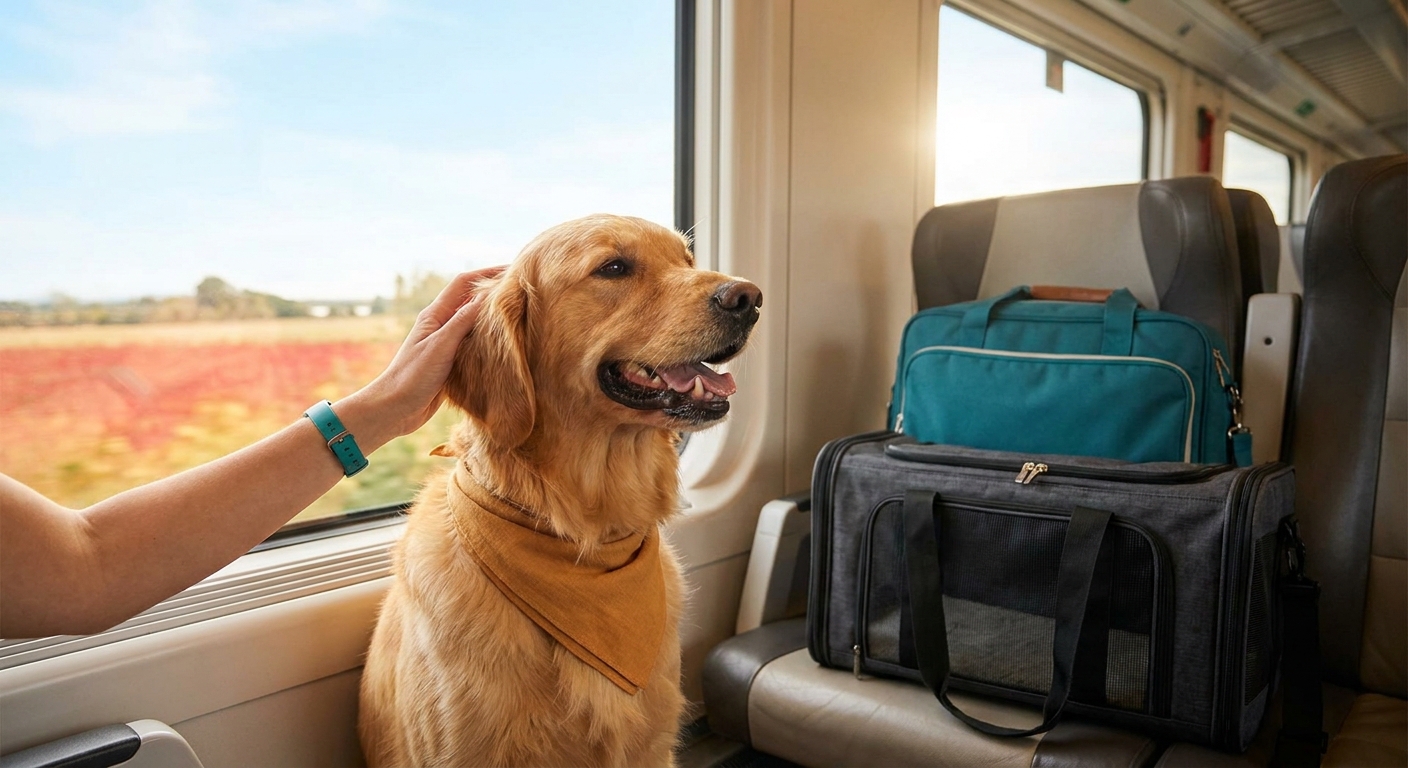
Train travel with pets is becoming more accessible in some regions. Amtrak, for instance, allows small dogs and cats on certain routes. Similar to air travel, there are size and weight restrictions. Pets must remain in carriers under the seat. Always review the specific train operator’s pet policy well in advance. This ensures compliance and avoids any last-minute complications. Train travel can be a less stressful alternative for some pets compared to flying, offering more space and a smoother ride.
During Your Trip: Ensuring a Happy and Safe Journey
Once you’re on your adventure, ongoing attention to your dog’s needs is essential. Responsible pet ownership extends to every moment of your travels.
Pet Etiquette in Public Spaces
When visiting new places, always be mindful of local pet etiquette. Keep your dog on a leash at all times unless in a designated off-leash area. Always pick up after your dog. Carry plenty of waste bags. Respect local signage regarding pet access. Some areas may prohibit dogs, even if they seem pet-friendly. Teach your dog good manners. This includes not jumping on people and minimizing excessive barking. A well-behaved dog is the best ambassador for future pet-friendly policies. Consequently, we all benefit from positive interactions.
Managing Stress and Anxiety
Travel can be stressful for dogs. Maintain as much of your dog’s routine as possible. Feed them at regular times. Provide familiar toys and blankets for comfort. Offer plenty of opportunities for exercise to help burn off excess energy. If your dog exhibits signs of anxiety, such as excessive panting, drooling, or destructive behavior, consult your vet. They may suggest calming supplements or other strategies. Always prioritize your dog’s comfort and well-being. This ensures a positive experience for everyone traveling with your dog.
Accommodation Considerations: Finding Pet-Friendly Stays
Finding the right place to stay is crucial for a successful trip. The demand for pet-friendly accommodations has grown significantly. However, it’s vital to know what to look for and what questions to ask.
Hotels, Vacation Rentals, and Campgrounds
Many hotel chains now welcome pets. However, policies vary. Some may have weight limits, breed restrictions, or charge additional fees. Always confirm their specific pet policy directly. Don’t rely solely on third-party booking sites. Vacation rentals, like those found on Airbnb or VRBO, often offer more space and flexibility. Still, always verify the pet policy with the owner before booking. Campgrounds are another excellent option for pet owners. They usually have more relaxed rules regarding pets. Yet, always keep your dog leashed and supervised. Be respectful of other campers. Regardless of your choice, read reviews from other pet owners. This can provide valuable insights into the true pet-friendliness of a place.
Preparing Your Pet for a New Environment
Before arriving, consider how your dog might react to a new environment. Bring their familiar bed or blanket. This provides a sense of security. Maintain their feeding and walking schedule as much as possible. If your dog is prone to marking, bring a belly band. Always supervise your dog in unfamiliar surroundings. This prevents accidents or damage. Remember, a responsible pet owner ensures their dog is a welcome guest. This applies wherever they stay. This makes future adventures easier when traveling with your dog.
Adventures Await: Enjoying Your Trip with Your Canine Companion
Once settled, it’s time to enjoy your adventure! Exploring new places with your dog creates lasting memories. However, always prioritize safety and respect for the environment and others.
Exploring Destinations Responsibly
Seek out dog-friendly parks, beaches, and hiking trails. Always adhere to local leash laws. Be mindful of wildlife and other park visitors. Pack out everything you pack in, including waste bags. Consider the weather conditions. Avoid strenuous activities during extreme heat or cold. Bring plenty of water for both you and your dog. Protect your dog’s paws from hot pavement or rough terrain. Booties can be a good investment. Furthermore, always have a plan for emergencies. Know the location of the nearest veterinary clinic. This preparedness ensures peace of mind when traveling with your dog.
Dining Out with Your Dog
Many restaurants with outdoor patios now welcome well-behaved dogs. Always ask before assuming. Keep your dog under the table and out of the way of servers and other patrons. Do not allow your dog to eat from the table or beg for food. Bring a portable water bowl for your dog. Consider giving them a chew toy to keep them occupied. This demonstrates good manners. It also helps preserve the privilege of dining with pets. Consequently, more establishments may consider becoming pet-friendly.
After the Trip: Post-Travel Care for Your Dog
The adventure doesn’t end when you return home. Post-travel care is important for your dog’s health and well-being.
Checking for Ticks and Other Concerns
Upon returning home, thoroughly check your dog for ticks, especially if you visited wooded or grassy areas. Pay close attention to ears, paws, and under the collar. Also, observe your dog for any signs of illness or unusual behavior. Changes in appetite, energy levels, or bathroom habits could indicate stress or exposure to something new. If you have any concerns, contact your veterinarian. They can provide guidance and necessary care. This diligent follow-up is crucial.
Adjusting Back to Routine
Help your dog readjust to their home routine. Provide familiar comforts and gradually reintroduce their usual schedule. Some dogs may experience a temporary period of being tired or disoriented after travel. Offer plenty of rest and reassurance. Reflect on your trip. What went well? What could have been better? Use these insights to plan even more successful future adventures traveling with your dog.
Conclusion: Creating Unforgettable Memories with Your Furry Friend
Traveling with your dog offers incredible opportunities for bonding and creating cherished memories. The key to a successful journey lies in thorough preparation, responsible conduct, and a deep understanding of your dog’s needs. By prioritizing their health, safety, and comfort, you ensure that every adventure is enjoyable for everyone. As pet ownership continues to grow, so too does the opportunity for shared experiences. Let’s continue to advocate for dog-friendly spaces by being exemplary pet owners. Happy trails!
FAQ
What are the essential items to pack for a dog on a road trip?
For a road trip, pack your dog’s regular food, water, bowls, a comfortable bed or blanket, favorite toys, and plenty of waste bags. Don’t forget any necessary medications and a basic pet first-aid kit. Ensuring these items are readily available makes the journey much smoother.
How can I ensure my dog is comfortable during air travel?
To ensure comfort during air travel, consult your vet about potential stress or motion sickness. Choose a well-ventilated, airline-approved carrier. Familiarize your dog with the carrier before the trip. Provide a familiar blanket or toy inside. Book direct flights when possible to minimize stress.
Are there specific rules for bringing a dog to national parks?
Rules for dogs in national parks vary. Many parks allow dogs on leashes in developed areas, campgrounds, and on some paved trails. However, most do not permit dogs on undeveloped trails or in park buildings. Always check the specific park’s pet policy before your visit. For example, the National Park Service provides guidelines.
How do I find pet-friendly accommodations for my vacation?
To find pet-friendly accommodations, use filters on booking websites for “pets allowed.” Always call the hotel or vacation rental owner directly to confirm their specific pet policy. Ask about fees, weight limits, and any breed restrictions. Reading reviews from other pet owners can also be helpful.
What should I do if my dog gets anxious while traveling?
If your dog gets anxious during travel, try to maintain their routine as much as possible. Provide familiar items for comfort. Ensure they get plenty of exercise before and during the trip. For severe anxiety, consult your veterinarian. They might recommend calming supplements or behavioral strategies to help your dog relax.
Is it safe to leave my dog alone in a hotel room?
Leaving your dog alone in a hotel room can be risky. Some hotels prohibit it, and your dog might bark, causing disturbances. They could also damage property due to anxiety in an unfamiliar environment. If you must leave them, ensure they are crated and that the hotel allows it. Inform the front desk.
Explore more: More from May I Pet Your Dog