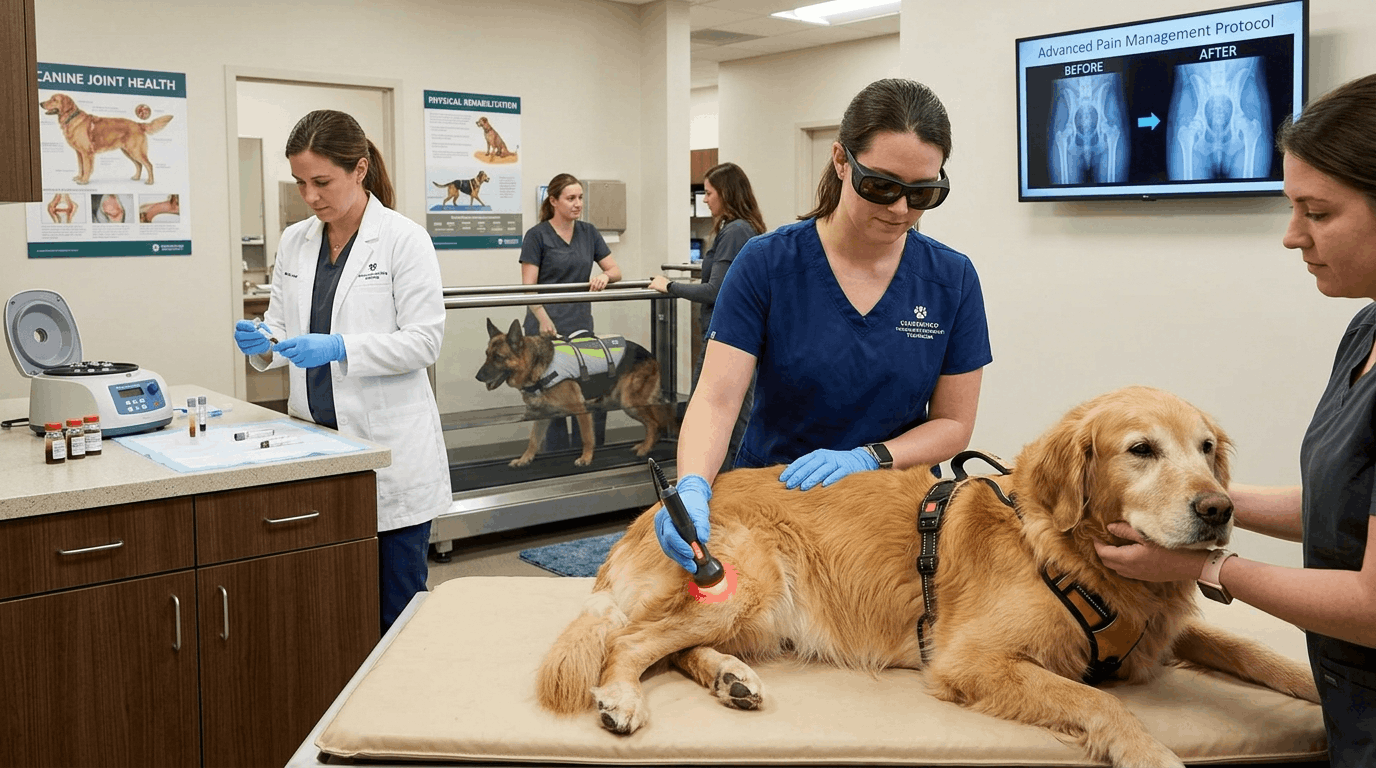
Arthritis is one of the most common health problems affecting senior dogs. As joints become inflamed and cartilage wears down, many dogs struggle with stiffness, pain, and reduced mobility. Fortunately, advanced treatment options for canine arthritis continue to evolve, giving pet owners more ways to improve their dog’s comfort and activity level. Modern therapies now go beyond traditional pain medications and focus on long-term joint support, mobility preservation, and overall quality of life.
Many dog owners first notice arthritis through subtle behavioral changes. A once energetic dog may hesitate before climbing stairs or seem slower during walks. In some cases, dogs avoid jumping onto furniture or become less playful. These changes often develop gradually, which makes them easy to overlook at first. However, early intervention can make a major difference in long-term joint health.
Arthritis occurs when cartilage inside the joints begins to deteriorate. As the protective cushioning weakens, bones rub together more frequently, leading to inflammation and discomfort. Aging naturally increases this risk, although genetics, obesity, previous injuries, and breed size also contribute. Larger breeds often experience joint stress earlier, yet smaller dogs can also develop significant arthritis over time.
Today, advanced treatment options for canine arthritis focus on combining therapies rather than relying on one solution alone. Veterinarians often recommend a personalized treatment plan that includes medication, weight management, physical therapy, supplements, and newer regenerative treatments. This multi-layered approach often provides better results than a single therapy.
Understanding How Arthritis Affects Dogs
Arthritis affects more than just movement. Chronic pain can also impact a dog’s mood, sleep quality, and emotional well-being. Dogs experiencing joint discomfort may become withdrawn or irritable because pain changes daily behavior patterns. Therefore, managing arthritis is not simply about mobility. It is also about improving overall comfort and maintaining a healthy lifestyle.
Inflammation inside the joints gradually limits flexibility and range of motion. Consequently, muscles surrounding painful joints may weaken because dogs avoid using them fully. Over time, this creates a cycle where reduced movement causes further stiffness and muscle loss.
Advanced treatment options for canine arthritis often target several problems simultaneously. Some therapies reduce inflammation, while others help support cartilage repair or improve joint lubrication. In addition, many modern approaches focus on slowing disease progression rather than only masking symptoms.
Veterinarians usually diagnose arthritis through physical examinations, mobility assessments, and imaging tests such as X-rays. Early diagnosis allows treatment to begin before joint damage becomes severe. That is why routine veterinary visits become especially important as dogs age.
Prescription Medications and Pain Management
Traditional pain relief remains one of the most effective ways to improve mobility in arthritic dogs. Nonsteroidal anti-inflammatory drugs, commonly called NSAIDs, are frequently prescribed to reduce inflammation and ease discomfort. These medications often help dogs move more comfortably within days.
However, long-term medication use requires careful monitoring. Veterinarians may recommend blood testing to evaluate liver and kidney function during ongoing treatment. Although NSAIDs can provide significant relief, they may not be suitable for every dog.
Some advanced treatment options for canine arthritis include newer pain management therapies that target nerve pathways more precisely. Monoclonal antibody injections have become increasingly popular because they help block pain signals associated with osteoarthritis. Many dogs experience improved comfort with fewer side effects compared to some traditional medications.
In certain cases, veterinarians combine multiple medications to improve pain control. Muscle relaxants, nerve pain medications, or mild opioids may help dogs with severe arthritis. Still, treatment plans should always remain tailored to the dog’s specific health condition.
Regenerative Therapies for Joint Support
Regenerative medicine has transformed how veterinarians manage arthritis in dogs. Stem cell therapy is one of the most talked-about advanced treatment options for canine arthritis because it aims to repair damaged tissues rather than only reduce symptoms.
Stem cells are often collected from the dog’s own fat tissue. After processing, the cells are injected into affected joints. These cells may help reduce inflammation and support tissue healing. While results vary, many dogs experience better mobility and reduced discomfort after treatment.
Platelet-rich plasma therapy, often called PRP therapy, is another regenerative option gaining popularity. This treatment uses concentrated platelets from the dog’s blood to promote healing within damaged joints. Growth factors released by platelets may support tissue repair and reduce inflammation naturally.
Although regenerative therapies can be expensive, many owners consider them worthwhile because they may improve long-term comfort without heavy reliance on medications.
Physical Rehabilitation and Mobility Therapy
Physical therapy is now considered one of the most effective advanced treatment options for canine arthritis. Controlled movement helps strengthen muscles, improve flexibility, and support joint stability. Additionally, regular therapy may reduce pain by encouraging healthier movement patterns.
Hydrotherapy remains especially popular because water supports body weight while reducing stress on painful joints. Swimming or underwater treadmill exercises allow dogs to build strength safely. Many dogs also enjoy water therapy because it feels less physically demanding.
Veterinary rehabilitation specialists may also use stretching exercises, massage therapy, balance training, and laser therapy to improve mobility. Laser treatments can help reduce inflammation and stimulate circulation within affected tissues.
Consistency matters greatly with rehabilitation programs. Short, regular sessions usually produce better results than occasional intense activity. Therefore, many treatment plans include daily exercises performed at home alongside professional therapy appointments.
The Role of Nutrition and Weight Control
Weight management remains one of the most important parts of arthritis care. Excess body weight increases pressure on already damaged joints, which can worsen inflammation and pain significantly. Even modest weight loss often improves mobility noticeably.
Advanced treatment options for canine arthritis frequently include specialized diets formulated for joint support. Many veterinary diets contain omega-3 fatty acids, glucosamine, and antioxidants that help reduce inflammation naturally.
Nutritional supplements can also provide additional support. Glucosamine, chondroitin, MSM, and green-lipped mussel are commonly recommended ingredients. These compounds may help support cartilage health and improve joint function over time.
Omega-3 fatty acids from fish oil deserve special attention because they may help reduce inflammation throughout the body. In many cases, combining supplements with prescription therapies creates stronger overall results.
Owners should also avoid excessive treats and calorie-heavy table scraps. Maintaining a healthy body condition may slow arthritis progression while improving energy and mobility.
Alternative Therapies Gaining Popularity
Many pet owners now explore complementary therapies alongside conventional veterinary care. Acupuncture has become one of the more recognized advanced treatment options for canine arthritis because it may help stimulate nerve function and reduce discomfort naturally.
Some dogs respond extremely well to acupuncture sessions, especially when combined with medication and rehabilitation exercises. Although scientific results vary, many veterinarians report noticeable mobility improvements in arthritic patients.
Chiropractic care is another therapy some owners pursue. Gentle spinal adjustments may improve posture and movement patterns in dogs with joint discomfort. However, these treatments should always be performed by trained veterinary professionals.
Cold therapy and heat therapy can also provide relief at home. Cold packs may reduce inflammation after exercise, while warmth often helps relax stiff joints during rest periods.
Massage therapy deserves consideration as well. Gentle massage may improve circulation, reduce muscle tension, and encourage relaxation in dogs dealing with chronic pain.
Home Adjustments That Improve Comfort
Environmental changes can make daily life easier for arthritic dogs. Slippery floors often increase the risk of falls, so rugs or traction mats may help improve stability indoors. Likewise, orthopedic dog beds provide better support for painful joints during sleep.
Ramps can reduce stress caused by stairs or jumping into vehicles. Raised food bowls may also improve comfort for dogs with neck or shoulder arthritis.
Advanced treatment options for canine arthritis work even better when paired with thoughtful home adjustments. Small changes often reduce physical strain throughout the day, which helps conserve energy and minimize pain.
Exercise should remain consistent but controlled. Long, intense activities may worsen inflammation, while complete inactivity can increase stiffness. Therefore, moderate walks and gentle play sessions usually work best.
Owners should also monitor weather changes carefully. Cold and damp conditions often increase joint discomfort in arthritic dogs. During colder months, warm bedding and protective dog jackets may help maintain comfort.
When Surgery Becomes Necessary
In severe cases, surgery may offer the best chance for improved mobility. Joint replacement procedures, especially hip replacements, can dramatically improve quality of life for some dogs. These surgeries are typically reserved for dogs with advanced joint damage that no longer responds well to conservative treatment.
Arthroscopy may also help remove damaged tissue inside certain joints. While surgery requires recovery time and rehabilitation, many dogs regain significant mobility afterward.
Veterinarians usually recommend surgical options only after exploring less invasive therapies first. However, some dogs benefit greatly from earlier surgical intervention depending on their condition and overall health.
Advanced treatment options for canine arthritis continue to improve surgical success rates through better techniques, rehabilitation programs, and pain management strategies.
Creating a Long-Term Arthritis Care Plan
Managing arthritis successfully requires patience and consistency. Most dogs benefit from a combination of treatments rather than a single solution. Therefore, long-term care plans often evolve as symptoms change over time.
Veterinarians may adjust medications, therapy routines, or supplements based on mobility changes and pain levels. Regular monitoring allows treatment plans to remain effective while minimizing side effects.
Advanced treatment options for canine arthritis offer more hope today than ever before. Many dogs continue enjoying active, fulfilling lives well into their senior years when proper care begins early.
Pet owners should focus on maintaining comfort rather than expecting a complete cure. Arthritis is typically progressive, but good management can slow its impact significantly. Dogs receiving consistent support often remain happier, more mobile, and more engaged with family activities.
The emotional bond between dogs and their owners makes arthritis care especially meaningful. Watching a once stiff and uncomfortable dog regain mobility through proper treatment can be incredibly rewarding. Although arthritis cannot always be reversed, many dogs respond very positively to modern therapies and supportive care.
FAQ
1. What are the most effective ways to help dogs with arthritis?
Veterinarians often recommend combining medication, physical therapy, weight management, and joint supplements for better long-term results.
2. Can stem cell therapy improve mobility in senior dogs?
Many dogs experience improved movement and reduced pain after stem cell therapy, although results vary between individuals.
3. Is hydrotherapy safe for dogs with joint pain?
Yes, hydrotherapy is generally considered safe and beneficial because water reduces stress on painful joints during exercise.
4. How can weight loss help arthritic pets?
Reducing excess body weight decreases pressure on joints, which often improves comfort and mobility significantly.
5. When should surgery be considered for joint problems?
Surgery may become necessary when severe arthritis no longer responds well to medications, rehabilitation, or other supportive therapies.