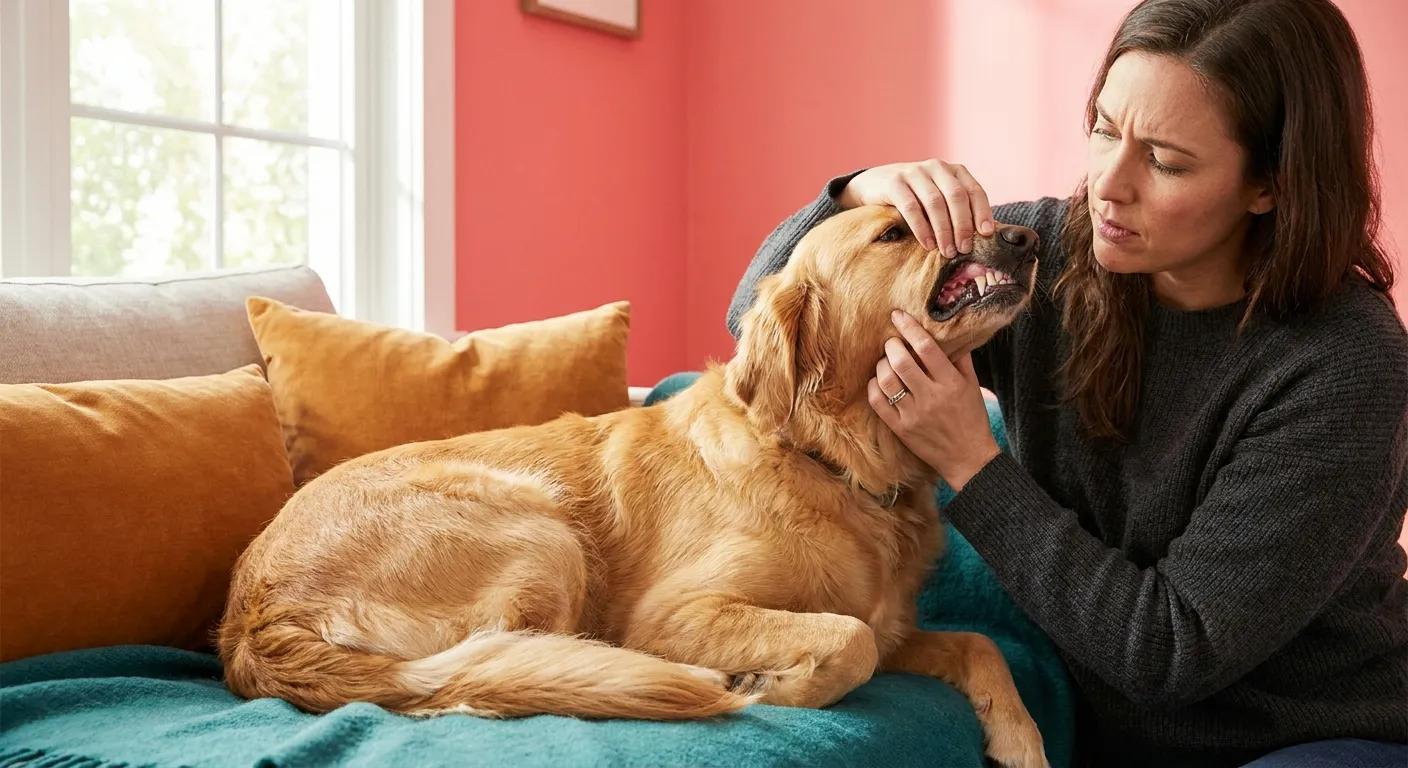
As a responsible dog owner, being observant of your pet’s daily habits is paramount. Recognizing early dog illness signs can make a significant difference in the outcome of their health, allowing for prompt veterinary intervention. Dogs are masters at hiding discomfort, a survival instinct from their wild ancestors. This means it’s up to us to notice subtle changes in their behavior, appetite, or physical appearance that might signal an underlying health issue. Catching these indicators early can prevent minor problems from escalating into serious conditions, ensuring your furry friend receives the care they need when they need it most. Therefore, understanding these subtle cues is vital for every dog parent.
The Importance of Early Detection for Canine Health
Our canine companions rely on us completely for their well-being. Consequently, being attuned to their health is not just a responsibility; it’s an act of love. Early detection of health issues can often mean the difference between a quick recovery and a prolonged, more complicated illness. For example, many conditions, if caught early, are highly treatable. Conversely, if left unchecked, they can become chronic or even life-threatening. This proactive approach helps maintain your dog’s quality of life and can significantly reduce veterinary costs in the long run. Moreover, it strengthens the bond you share, as your dog feels secure knowing you are looking out for them.
Think of it like this: just as you would notice a friend feeling under the weather, observing your dog for deviations from their normal routine is essential. These changes, no matter how small, can be valuable clues. A slight shift in energy, a different way of moving, or even a subtle alteration in their breathing pattern can all be indicators. Being vigilant means you are equipped to act quickly, providing your dog with the best possible chance for a healthy and happy life. In fact, many veterinarians emphasize that owners are often the first line of defense in identifying potential problems.
Key Symptoms to Watch For: 7 Early Dog Illness Signs
Here are 7 crucial early dog illness signs that warrant attention:
- Changes in Appetite or Thirst: A sudden decrease or increase in eating or drinking can signal various issues, from dental pain to kidney disease or diabetes. Any persistent change should be noted. For instance, a dog refusing their favorite treat is a significant red flag.
- Lethargy or Reduced Activity: If your normally energetic dog is unusually quiet, sleeping more, or reluctant to play or walk, it could indicate pain, infection, or other systemic illness. Furthermore, a general lack of enthusiasm for activities they once loved is a clear warning sign.
- Vomiting or Diarrhea: While occasional digestive upset can happen, persistent vomiting (more than once or twice) or diarrhea, especially with blood, lethargy, or loss of appetite, requires immediate veterinary attention. Similarly, any changes in stool consistency or frequency are worth monitoring.
- Difficulty Urinating or Changes in Urine: Straining, frequent urination of small amounts, house-soiling, or blood in the urine can point to urinary tract infections, bladder stones, or kidney problems. Therefore, observing your dog during potty breaks is quite informative.
- Coughing or Difficulty Breathing: Persistent coughing, wheezing, or labored breathing could indicate respiratory infections, heart disease, or allergies. Notably, any gasping or open-mouthed breathing when at rest is an emergency.
- Limping or Difficulty Moving: Any sudden lameness, favoring a limb, difficulty getting up, or reluctance to jump or use stairs can signal injury, arthritis, or other orthopedic issues. Moreover, stiffness after resting can also be a sign of discomfort.
- Skin and Coat Changes: Excessive scratching, bald patches, redness, sores, or a dull, unhealthy coat can indicate allergies, parasites, skin infections, or nutritional deficiencies. In addition, an unusual odor from the skin or ears should also be investigated. For advice on maintaining a healthy coat, consider checking out our Grooming & Hygiene resources.
Behavioral Cues That Suggest Illness
Beyond the physical symptoms, a dog’s behavior can provide profound insights into their health. Often, subtle behavioral shifts are among the first indications that something is amiss. For example, a normally friendly dog might become unusually withdrawn or even aggressive. Conversely, a shy dog might become overly clingy. These changes in temperament are not to be dismissed lightly. They often reflect discomfort, pain, or anxiety stemming from an underlying health issue.
Furthermore, changes in sleep patterns are significant. Is your dog sleeping much more than usual, or are they restless and unable to find a comfortable position? Either extreme can be a sign of trouble. Another key behavioral cue is a change in their interaction with you or other pets. A dog that stops greeting you at the door or avoids playtime with their canine siblings might be trying to tell you they don’t feel well. Similarly, an increased tendency to hide or seek isolation can be a clear signal of discomfort or fear. These behavioral early dog illness signs are often overlooked but are incredibly important for proactive care.
Recognizing Pain and Discomfort
Dogs are incredibly stoic, often masking pain due to their evolutionary instincts. However, there are still ways to recognize when they are in discomfort. For instance, excessive licking of a particular body part can indicate localized pain or irritation. Panting when not hot or exercising, trembling, or a hunched posture can also be signs of pain. Some dogs might vocalize more, perhaps whimpering or growling when touched in certain areas. Others might become unusually quiet and still. Observing these nuanced reactions is crucial for identifying potential health problems. It’s important to remember that a dog in pain may also react defensively, so approach with caution if you suspect they are hurting. Understanding these signals helps you provide timely relief and veterinary attention.
Environmental and Lifestyle Factors
While we focus on the direct signs of illness, it is also important to consider the broader context of your dog’s environment and lifestyle. These factors can significantly influence their health and well-being. For example, a sudden change in diet can lead to digestive upset, mimicking some early dog illness signs. Similarly, exposure to new environments or other animals can increase the risk of infectious diseases. Keeping your dog’s living space clean and safe, therefore, plays a vital role in preventing illness.
Regular exercise and mental stimulation are also crucial. A sedentary lifestyle can contribute to obesity, joint problems, and other health complications. Conversely, over-exercising can lead to injuries. Therefore, finding the right balance for your dog’s age, breed, and energy level is key. Access to clean, fresh water at all times is also fundamental for preventing dehydration and supporting organ function. Moreover, consider the impact of household toxins; many common plants and cleaning products can be harmful to dogs. For more information on creating a safe environment, you might explore our Home & Safety section.
The Role of Nutrition and Diet
A balanced and appropriate diet is the foundation of good health for any dog. Poor nutrition can manifest in various ways, often mimicking or exacerbating early dog illness signs. For instance, a dull coat, flaky skin, low energy levels, or digestive issues can all stem from an inadequate diet. Choosing high-quality dog food that meets your dog’s specific needs (age, breed, activity level, and any sensitivities) is paramount. Furthermore, avoiding excessive treats or human food can prevent obesity and related health problems like diabetes and joint strain. If you’re unsure about the best diet for your furry friend, consulting your veterinarian is always a good idea. They can help you navigate the myriad of options available and make informed decisions. We also offer a range of Food, Treats & Feeding Gear to support healthy eating habits.
When to Contact Your Veterinarian
Always trust your instincts. If something feels off with your dog, even if you can’t pinpoint a specific symptom, it’s always best to consult your veterinarian. They can provide a professional assessment and guide you on the next steps. Remember, veterinarians are trained to interpret these subtle cues and conduct diagnostic tests to uncover underlying issues. Delaying a visit can sometimes turn a minor problem into a major crisis. Therefore, err on the side of caution when your dog’s health is concerned.
Specifically, seek immediate veterinary attention if your dog exhibits any of the following: severe pain, collapse, difficulty breathing, uncontrolled bleeding, persistent vomiting or diarrhea (especially with blood), inability to urinate or defecate, or seizures. These are emergencies that require urgent care. For non-urgent but concerning symptoms, it’s still wise to call your vet for advice. They might suggest monitoring your dog at home or scheduling an appointment. Being proactive ensures your dog receives timely care, which is critical for positive outcomes. According to the American Veterinary Medical Association, prompt action in an emergency can be life-saving. Similarly, the ASPCA provides valuable resources on pet safety and recognizing signs of distress.
Preventative Care and Wellness
While recognizing early dog illness signs is vital, preventative care is the cornerstone of your dog’s long-term health. Regular veterinary check-ups, typically once or twice a year, allow your vet to catch potential issues before they become serious. These visits often include vaccinations, parasite control, and dental checks, all of which are crucial for preventing common diseases. Furthermore, maintaining a healthy weight through proper diet and exercise significantly reduces the risk of many health problems, including arthritis and heart disease. A healthy lifestyle also boosts their immune system, making them more resilient to illness.
Beyond physical health, mental well-being is also important. Providing adequate mental stimulation through toys, training, and social interaction can prevent stress and anxiety, which can sometimes manifest as physical symptoms. Consider exploring our Toys & Enrichment section for ideas. Consistent training and a stable routine also contribute to a dog’s overall sense of security and happiness. By embracing a holistic approach to your dog’s care, you are not only preventing illness but also fostering a thriving, joyful companion. This comprehensive care strategy truly makes a difference in their quality of life.
Conclusion
Being a vigilant dog owner is one of the greatest gifts you can give your pet. Recognizing early dog illness signs empowers you to act swiftly, ensuring your furry friend receives prompt veterinary care when needed. From subtle shifts in appetite to changes in mobility or behavior, every observation counts. Remember that dogs are masters of disguise, so your keen eye and intuition are their best defense. By staying informed about these crucial indicators and prioritizing preventative care, you are not only safeguarding their physical health but also strengthening the incredible bond you share. Always consult your veterinarian if you have any concerns; they are your most valuable partner in maintaining your dog’s health and happiness. Your attentiveness can truly make all the difference in their lives.
FAQ: What are common signs of illness in dogs?
Common signs of illness in dogs include changes in appetite or thirst, lethargy, vomiting or diarrhea, difficulty urinating, coughing, limping, and skin or coat abnormalities. These can be indicators of various underlying health issues.
FAQ: How can I tell if my dog is in pain?
Dogs in pain might pant excessively, tremble, limp, show a change in posture (e.g., hunched back), vocalize more (whimpering, growling), lick a specific body part excessively, or become unusually withdrawn or aggressive. Observing these behavioral changes is key.
FAQ: When should I take my dog to the vet for a health concern?
You should take your dog to the vet if you notice persistent changes in their behavior or physical condition, especially if symptoms like vomiting, diarrhea, lethargy, or difficulty breathing are severe or don’t resolve quickly. Always err on the side of caution.
FAQ: Are there any specific behavioral changes that indicate a dog is unwell?
Yes, behavioral changes such as increased hiding, sudden aggression or withdrawal, changes in sleep patterns (more or less sleep), loss of interest in play, or unusual clinginess can all suggest your dog is feeling unwell.
FAQ: How often should my dog have a vet check-up to prevent health issues?
Most veterinarians recommend annual check-ups for adult dogs, and sometimes twice a year for senior dogs or puppies. Regular preventative visits are crucial for early detection and maintaining overall health.