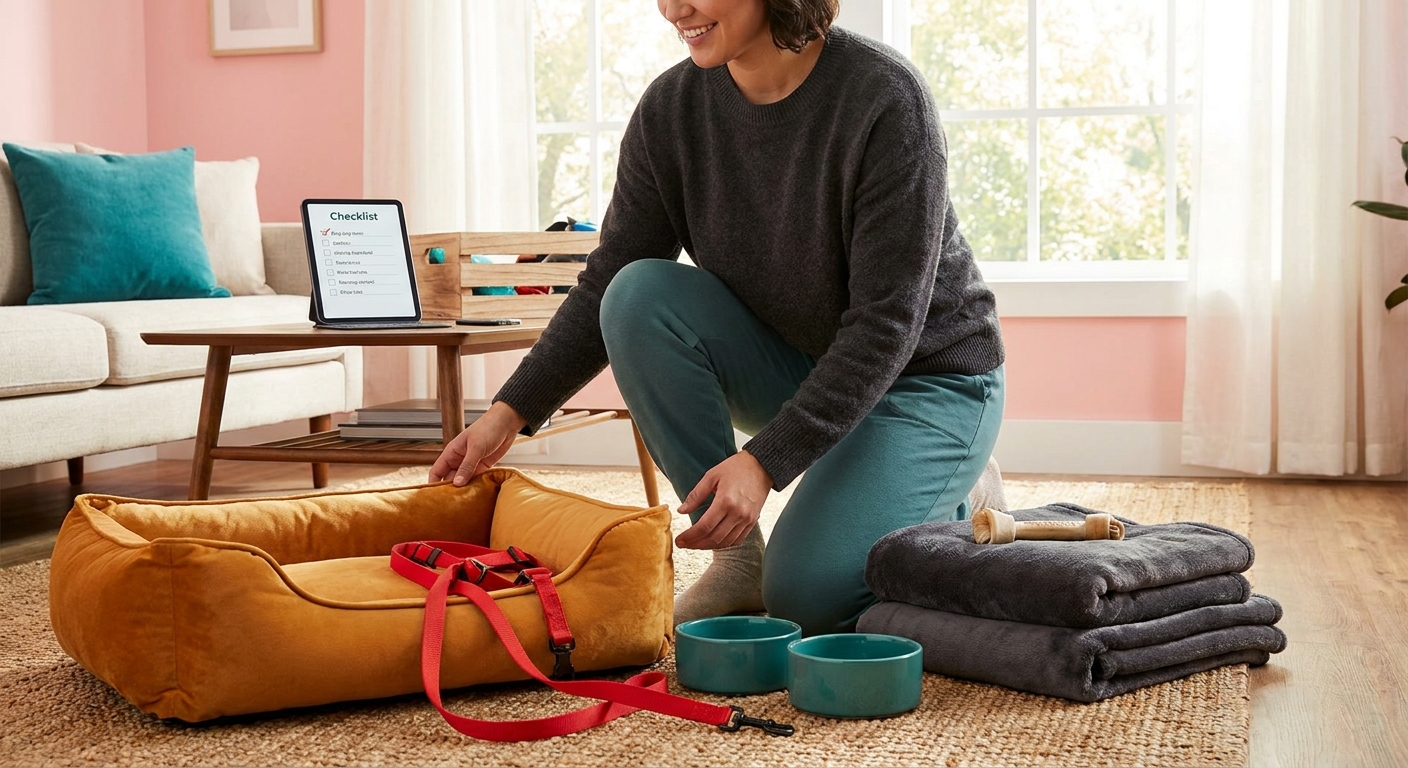
Bringing a new dog into your home is an incredibly exciting time. Whether you are welcoming a playful puppy or a loving rescued adult, ensuring a smooth transition and a safe, comfortable environment for your new family member is paramount. This guide focuses on Preparing Home New Dog owners can use to get everything in order before their furry friend walks through the door. A well-prepared home significantly reduces stress for both you and your dog, setting the stage for a happy life together. Indeed, thoughtful preparation makes all the difference.
Dog-Proofing Your Space for Safety
Just like baby-proofing, dog-proofing your home is essential for safety. Firstly, get down on your hands and knees to see your home from a dog’s perspective. Remove any potential hazards, such as toxic plants. For example, lilies and sago palms are highly dangerous to dogs. Additionally, gather small objects that could be swallowed, like coins, batteries, or string. Electrical cords also pose a significant risk; secure them properly. Furthermore, ensure cabinets containing chemicals, cleaning supplies, or medications are tightly secured. Trash cans should be inaccessible and secure. If you have areas you want off-limits, invest in sturdy pet gates. Designate a specific ‘safe zone’ for your dog, perhaps a crate or a sectioned-off room, where they can retreat and feel secure, especially during the initial adjustment period. This proactive step prevents accidents and helps your dog settle in without unnecessary risks. Therefore, a thorough dog-proofing session is a must.
Essential Supplies for Your New Companion
Before your new dog arrives, gather all the necessary supplies. This includes a comfortable dog bed, food and water bowls (stainless steel is often recommended for hygiene), and appropriate dog food. Always consult with the shelter or previous owner for their current diet to avoid stomach upset. A collar or harness with an ID tag is crucial, along with a sturdy leash. Acquire a few starter toys as well. Don’t forget grooming supplies like a brush, nail clippers, and dog-specific shampoo. Having these items ready eliminates last-minute rushes and allows you to focus on your new dog’s comfort. Consider a chew-proof crate if you plan to crate train, ensuring it’s the right size for your dog to stand up, turn around, and lie down comfortably. Consequently, having everything ready makes for a much calmer arrival.
Creating a Safe Haven and Routine
Beyond physical supplies, creating an emotionally safe and welcoming environment is vital. Establish a routine early on for feeding, potty breaks, and playtime; consistency helps dogs feel secure. Introduce family members calmly and one at a time, allowing the dog to approach at their own pace. Be patient and understanding; it takes time for a dog to adjust to a new home and routine. Provide plenty of opportunities for positive reinforcement and gentle interaction. A calm, predictable, and loving environment is the best gift you can give your new companion. This careful approach aids in the process of preparing your home for your new dog. Ultimately, a secure routine fosters a sense of belonging.
Understanding Your New Dog’s Needs
Every dog is unique, and understanding their specific needs is crucial for a successful integration into your home. For instance, a high-energy breed will require more exercise than a laid-back companion dog. Research your dog’s breed or mixed breed to anticipate their typical temperament and activity levels. This insight helps you tailor your environment and routine. Moreover, if you are adopting from a shelter, inquire about their history. Knowledge of past experiences can help you address potential anxieties or behavioral quirks proactively. Some dogs might be shy, while others are boisterous. Adjust your initial interactions accordingly. Patience and observation are key during these first few weeks. Indeed, learning about your dog’s background helps immensely with preparing your home for a new dog.
Setting Up Designated Areas
When preparing your home for a new dog, establishing clear, designated areas for various activities is beneficial. Your dog should have a specific spot for sleeping, eating, and potty breaks. The sleeping area, perhaps a comfy bed or crate, should be in a quiet, low-traffic part of the house. This provides a sanctuary where they can rest undisturbed. Similarly, place food and water bowls in an easily accessible, consistent location. For potty training, immediately after waking up and after meals, take your dog to a designated outdoor spot. Consistency with these areas helps your dog understand expectations and reduces confusion. Furthermore, a designated play area, even if small, can help contain toys and encourage appropriate play behaviors. Therefore, clear boundaries are very helpful.
The Importance of Training and Socialization
Once your new dog has settled in, typically after a few weeks, consider enrolling in obedience classes. Early training is fundamental for building a strong bond and ensuring your dog understands basic commands. This is an important part of successfully preparing your home for a new dog. Positive reinforcement methods work best, rewarding desired behaviors with treats, praise, or toys. Moreover, gradual socialization with other dogs and people is vital for a well-adjusted pet. Ensure these interactions are positive and supervised, especially during puppyhood. A well-socialized dog is generally happier and less prone to behavioral issues. Remember, training is an ongoing process, not a one-time event. Ultimately, a well-trained dog is a joy to live with.
Health and Wellness Considerations
Prior to your new dog’s arrival, schedule a veterinary check-up within the first few days. This initial visit allows the vet to assess your dog’s overall health, administer necessary vaccinations, and discuss parasite prevention. Discuss microchipping if your dog isn’t already chipped; it’s a vital safety measure for identification. Also, inquire about spaying or neutering if your dog hasn’t had the procedure. Establish a regular feeding schedule and provide fresh water at all times. Pay attention to any changes in appetite, energy levels, or bathroom habits, as these can indicate health issues. Regular grooming, including brushing and nail trims, also contributes to their well-being. Keeping up with these health aspects is crucial when preparing your home for a new dog. For more information on pet health, visit the American Veterinary Medical Association website.
Dealing with the First Few Nights
The first few nights in a new home can be challenging for a dog, particularly for puppies or anxious rescues. They might cry or whine due to loneliness or unfamiliarity. Be patient and reassuring. Placing their bed or crate near your bedroom can provide comfort. A warm hot water bottle wrapped in a towel or a ticking clock can mimic the presence of a littermate or mother, offering solace. Avoid rushing to them every time they whimper, as this can reinforce the behavior. Instead, wait for a brief moment of quiet before offering calm reassurance. Establishing a consistent bedtime routine helps. Remember, this adjustment period is temporary. Soon enough, your dog will feel secure and sleep soundly. This consideration is a key part of preparing your home for a new dog.
Long-Term Commitment and Joy
Bringing a new dog into your life is a long-term commitment filled with immense joy and companionship. The initial preparation, including dog-proofing, gathering supplies, and establishing routines, lays a strong foundation. As your dog settles in, continue to provide consistent training, socialization, and plenty of love. Be prepared for challenges, but also for the immeasurable rewards of a loyal friend. Your dog will become a cherished member of your family, offering unconditional love and endless entertainment. Enjoy every moment of this incredible journey. This comprehensive guide aims to assist you in preparing your home for a new dog, ensuring a smooth and happy beginning. For further insights on dog care, explore resources like the ASPCA.
By following these steps, you’ll create a welcoming haven, making the transition for your new dog as smooth and joyful as possible. Indeed, a well-prepared home sets the stage for years of happiness.
Frequently Asked Questions About New Dog Arrivals
How long does it take for a new dog to adjust to a new home?
The adjustment period varies significantly for each dog. Some dogs might settle in within a few days, while others could take several weeks or even a few months. Factors like their previous living situation, personality, and the environment of their new home all play a role. Patience and consistency are crucial during this time.
What are common mistakes new dog owners make?
Common mistakes include not dog-proofing thoroughly, overwhelming the dog with too much attention too soon, changing their diet abruptly, or failing to establish a consistent routine. It is important to avoid scolding accidents and instead focus on positive reinforcement for desired behaviors. Overlooking early socialization can also lead to issues.
Should I let my new dog sleep in my bed?
This is a personal choice. If you prefer your dog to sleep in their own bed or crate, it’s best to establish this rule from day one. Consistency helps avoid confusion. However, if you’re comfortable with them sleeping in your bed, ensure they are well-behaved and clean. Consider potential allergies or space limitations.
How do I introduce my new dog to existing pets?
Introductions should be gradual and supervised in a neutral territory, if possible. Keep both animals on leashes initially. Allow them to sniff each other from a distance, then slowly decrease the space. Watch for signs of stress or aggression. Separate them if needed and try again later. Always reward calm behavior.
What is the most important thing to remember when bringing home a new dog?
The most important thing is patience and understanding. Your new dog is in an unfamiliar environment and might be feeling overwhelmed or anxious. Provide a calm, predictable, and loving space. Consistency in routine, positive reinforcement, and plenty of affection will help them feel secure and bond with you over time.
Explore more: More from May I Pet Your Dog