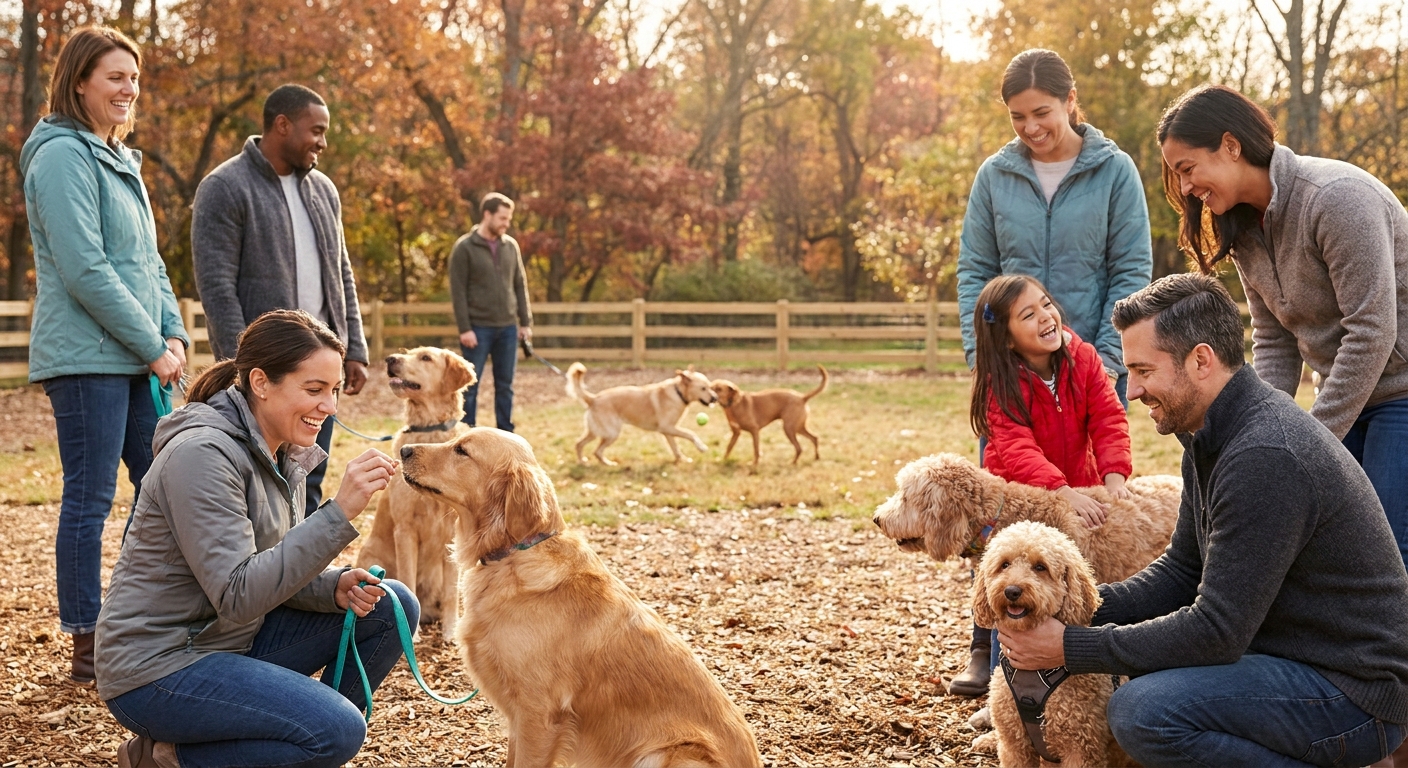
Dog parks are a fantastic resource for our furry family members, offering crucial opportunities for exercise, socialization, and mental stimulation. The pet fitness sector is booming, valued globally at $6.65 billion in 2024, reflecting our collective desire to keep our dogs active and healthy. However, for these spaces to truly thrive and remain safe, a commitment to responsible dog park visits is paramount. It’s not just about letting your dog run free; it’s about understanding etiquette, managing interactions, and prioritizing safety for all two- and four-legged attendees.
The Upside of Socializing: Why Dog Parks Matter
For many dogs, particularly those living in urban or suburban environments, dog parks provide an invaluable outlet. They offer:
- Physical Activity: A chance to run, chase, and burn off energy in a larger, stimulating environment, contributing to their overall physical wellness.
- Social Skills: Opportunities to interact with a variety of dogs, learning appropriate play behaviors and improving their social fluency. This contributes significantly to their mental well-being, as pets are recognized for reducing stress and providing routine.
- Mental Stimulation: New sights, sounds, and smells keep their minds engaged, preventing boredom and potential behavioral issues at home.
Making Responsible Dog Park Visits a Priority
Ensuring positive and safe experiences requires preparation and active supervision. Here’s how to make your safe dog park etiquette a model for others:
Before You Go: Preparation is Key
1. Vaccination Status: Ensure your dog is up-to-date on all necessary vaccinations (e.g., rabies, distemper, parvovirus, kennel cough). This aligns with the preventive care trend, protecting your dog and the wider community.
2. Temperament Check: Is your dog truly suited for off-leash group play? Dogs that are overly fearful, aggressive, or prone to resource guarding may be better served by structured playdates or walks.
3. Spay/Neuter: Most dog parks recommend or require dogs to be spayed or neutered to prevent unwanted pregnancies and reduce hormone-driven aggression.
4. Identification: Always ensure your dog wears up-to-date ID tags with your contact information, even if microchipped. Consider smart collars or GPS trackers (part of the growing pet tech market) for extra peace of mind.
Upon Arrival: Observe and Assess
Before unleashing your dog, take a moment to observe the park’s dynamics. Are there too many dogs? Is the energy level chaotic or calm? Look for signs of stress or aggression in other dogs. If it feels overwhelming or unsafe, consider visiting at a different time or finding another activity.
During Play: Active Supervision is Non-Negotiable
Your phone can wait. Active supervision is the cornerstone of managing dog park play.
- Know Your Dog’s Body Language: Learn to recognize signs of stress, fear, or overstimulation in your dog and others. For example, a tucked tail, whale eye, or stiff body can indicate discomfort.
- Intervene Early: If play becomes too rough or one dog is clearly uncomfortable, step in. Separate the dogs calmly and redirect their attention.
- Pick Up After Your Pet: This is non-negotiable. Always carry plenty of waste bags and dispose of them properly. It’s a fundamental aspect of considerate dog park behavior.
- Discourage Resource Guarding: Do not bring valuable toys or treats into the park that could cause conflict. Shared toys should be monitored closely.
- Avoid Dog Piles: Multiple dogs ganging up on one can quickly turn dangerous. Break up these situations promptly.
- Mind the Gates: Be vigilant when entering and exiting to prevent dogs from escaping.
- Supervise Children: Children and dogs should always be supervised closely. Teach children how to interact respectfully with dogs and never leave them unattended.
Understanding Dog Park Etiquette for a Harmonious Environment
Good manners extend to both dogs and their human companions. Practicing excellent dog park etiquette fosters a welcoming and safe space for everyone. Furthermore, it helps prevent misunderstandings and potential conflicts that can arise in off-leash environments. Many parks have specific rules posted; therefore, it is always wise to familiarize yourself with them before your visit. By adhering to these guidelines, we can collectively ensure that dog parks remain enjoyable community assets.
Respecting Personal Space and Boundaries
Just like people, dogs have different comfort levels. Consequently, it is crucial to respect their personal space. For instance, not all dogs enjoy close greetings, especially from unfamiliar dogs. Always ask owners before letting your dog approach theirs, especially if their dog is on a leash. A leashed dog might be reactive, recovering from an injury, or simply not interested in interacting. Understanding these nuances is a key part of successful responsible dog park visits.
Managing Your Dog’s Behavior
Your dog’s behavior reflects on you. Therefore, it’s essential to have a good recall command. This means your dog should reliably come back to you when called, even with distractions. This skill is vital for preventing unwanted interactions or managing situations that could escalate. Moreover, if your dog is prone to excessive barking or jumping, work on these behaviors before frequenting the park. A well-behaved dog contributes to a more pleasant experience for everyone. In addition, always ensure your dog isn’t monopolizing play or bullying other dogs. Rotate their play partners if necessary.
Health and Safety Considerations
Maintaining a healthy environment is paramount for all park users. For example, if your dog is showing any signs of illness, such as coughing, sneezing, or diarrhea, please keep them home. This simple act of consideration prevents the spread of contagious diseases. Similarly, female dogs in heat should never be brought to a dog park, as this can cause significant disruption and aggression among male dogs. Always prioritize the health of the entire canine community. This thoughtfulness is a hallmark of truly responsible dog park visits.
Common Dog Park Challenges and How to Address Them
Even with the best intentions, challenges can arise at dog parks. Knowing how to react calmly and effectively can de-escalate situations and maintain safety.
Overly Enthusiastic Play
Some dogs play more boisterously than others. While this is often harmless, it can sometimes overwhelm smaller or shyer dogs. If your dog is a rough player, consider directing them to play with dogs of similar size and energy levels. Furthermore, be ready to intervene if play becomes too intense or if a smaller dog seems distressed. A quick leash-up or a short break can reset the energy. This proactive approach helps maintain positive interactions.
Unsupervised Dogs
Unfortunately, some owners treat dog parks as a place to drop off their dogs and then ignore them. This lack of supervision is a primary cause of problems. If you notice an unsupervised dog causing issues, try to locate the owner. If you cannot find them, or if the situation is dangerous, consider leaving the park or contacting park management. Remember, your vigilance contributes to the overall safety of the park. It’s part of the collective effort for responsible dog park visits.
Aggression and Conflict
Despite best efforts, conflicts can occur. If a fight breaks out, avoid putting your hands between fighting dogs. Instead, try to distract them with a loud noise, a spray of water, or by pulling their hind legs (if safe to do so and you know how). Once separated, remove your dog from the situation immediately. Exchange contact information with the other owner, if appropriate, and assess any injuries. Reporting aggressive incidents to park authorities helps maintain a record and can lead to improved safety measures. This demonstrates a commitment to responsible dog park visits.
The Role of Dog Park Design and Maintenance
Beyond individual etiquette, the design and maintenance of dog parks also play a crucial role in their success. Well-maintained parks offer safer and more enjoyable experiences. For example, separate areas for small and large dogs can prevent accidental injuries. Adequate fencing ensures dogs remain contained. Furthermore, regular waste disposal and clean water sources are essential for hygiene. Investing in these aspects supports the community’s desire for safe and clean public spaces for their pets. This infrastructure complements the efforts of owners making responsible dog park visits.
Amenities That Enhance the Experience
A well-designed dog park often includes several amenities that enhance the experience for both dogs and owners. These might include:
- Double-Gated Entries: These provide an extra layer of security, preventing dogs from slipping out as others enter or exit.
- Water Fountains: Access to fresh water is vital, especially on warm days. Look for fountains designed for both humans and dogs.
- Shaded Areas: Trees or shelters offer a respite from the sun, making visits more comfortable during hot weather.
- Seating: Benches allow owners to relax while supervising their dogs, encouraging longer and more engaged visits.
- Waste Stations: Easily accessible bags and disposal bins make it simpler for owners to clean up after their pets.
These features, combined with diligent owner behavior, truly elevate the dog park experience. They help facilitate more enjoyable and responsible dog park visits.
Building a Community of Responsible Dog Owners
Ultimately, making dog parks great is a shared responsibility. When owners commit to respectful behavior and proactive supervision, they contribute to a positive community culture. Consider joining local dog park groups or volunteering for clean-up days. Sharing knowledge about dog behavior and etiquette can also help new dog owners navigate these spaces more confidently. By working together, we can ensure these valuable resources remain safe, fun, and beneficial for all our canine companions and their human families. This collective effort defines truly responsible dog park visits.
Remember, every visit to the dog park is an opportunity to reinforce positive habits and contribute to a welcoming environment. By being prepared, observant, and actively engaged, you set a wonderful example for others. Consequently, your dog will enjoy safer, happier, and more enriching experiences. For more insights on pet etiquette, visit MayIPetYourDog.com. You can also learn more about dog behavior from resources like the ASPCA.
Conclusion
Dog parks offer incredible benefits for our canine friends, from physical exercise to vital socialization. However, these benefits are only fully realized when every owner commits to responsible dog park visits. This means ensuring your dog is healthy and well-behaved, actively supervising their interactions, and adhering to park rules and general etiquette. By prioritizing safety, respecting others, and being a vigilant participant, you help create a harmonious environment where all dogs can thrive. Let’s work together to keep our dog parks wonderful community spaces.
FAQ Section
What vaccinations are typically required for dog park entry?
Most dog parks recommend or require your dog to be up-to-date on core vaccinations like rabies, distemper, parvovirus, and adenovirus. Many also suggest kennel cough (Bordetella) vaccination to protect against respiratory illnesses common in communal dog settings.
How can I tell if my dog is enjoying their time at the park?
Look for signs of relaxed body language: a loose tail wag, soft eyes, playful bows, and reciprocal play with other dogs. If your dog is panting excessively, hiding, or showing stiff body language, they might be stressed or overwhelmed.
Is it okay to bring treats or toys to the dog park?
Generally, it’s best to avoid bringing high-value treats or toys, as these can easily lead to resource guarding and conflict among dogs. If you do bring a toy, ensure it’s easily shareable and be prepared to put it away if it causes tension.
What should I do if my dog gets into a minor scuffle?
Calmly separate the dogs without putting yourself in harm’s way. Once separated, immediately leash your dog and take a break. Assess if your dog is still comfortable or if it’s time to leave. It’s always wise to observe their behavior carefully after an incident.
How can I encourage good manners in my dog at the park?
Consistent training, especially a reliable recall, is crucial. Reward calm behavior and appropriate play. If your dog consistently struggles with certain behaviors, consider working with a professional trainer before making frequent park visits.